Stroke Rehabilitation
Clinical Overview
Stroke Rehabilitation at JSK implements Proprioceptive Neuromuscular Facilitation (PNF) and motor re-learning programs. We help stroke survivors manage spasticity, regain control over paralyzed muscles, recover sitting and standing balance, and rebuild walking independence.
Challenges We Resolve
Hemiplegia & Severe Arm/Leg Weakness
Paralysis affecting one side of the body, making standing, sitting balance, and grasping objects very difficult.
Muscle Spasticity & Joint Contractures
Abnormal muscle tightness causing clawed fingers, bent elbows, or foot drop (inability to lift the foot when stepping).
Asymmetrical Walking & High Fall Risk
Limping and dragging the affected leg, leading to rapid physical fatigue and high safety hazards.
JSK's Treatment Methodology
Neuro-Facilitation (PNF Technique)
Stimulating muscle receptors through diagonal movement patterns to help the brain build new pathways (neuroplasticity).
Spasticity & Foot-Drop Management
Applying prolonged stretching, orthotic splints, and active dorsiflexion exercises to relax tight calf and arm muscles.
Weight-Shifting & Balance Training
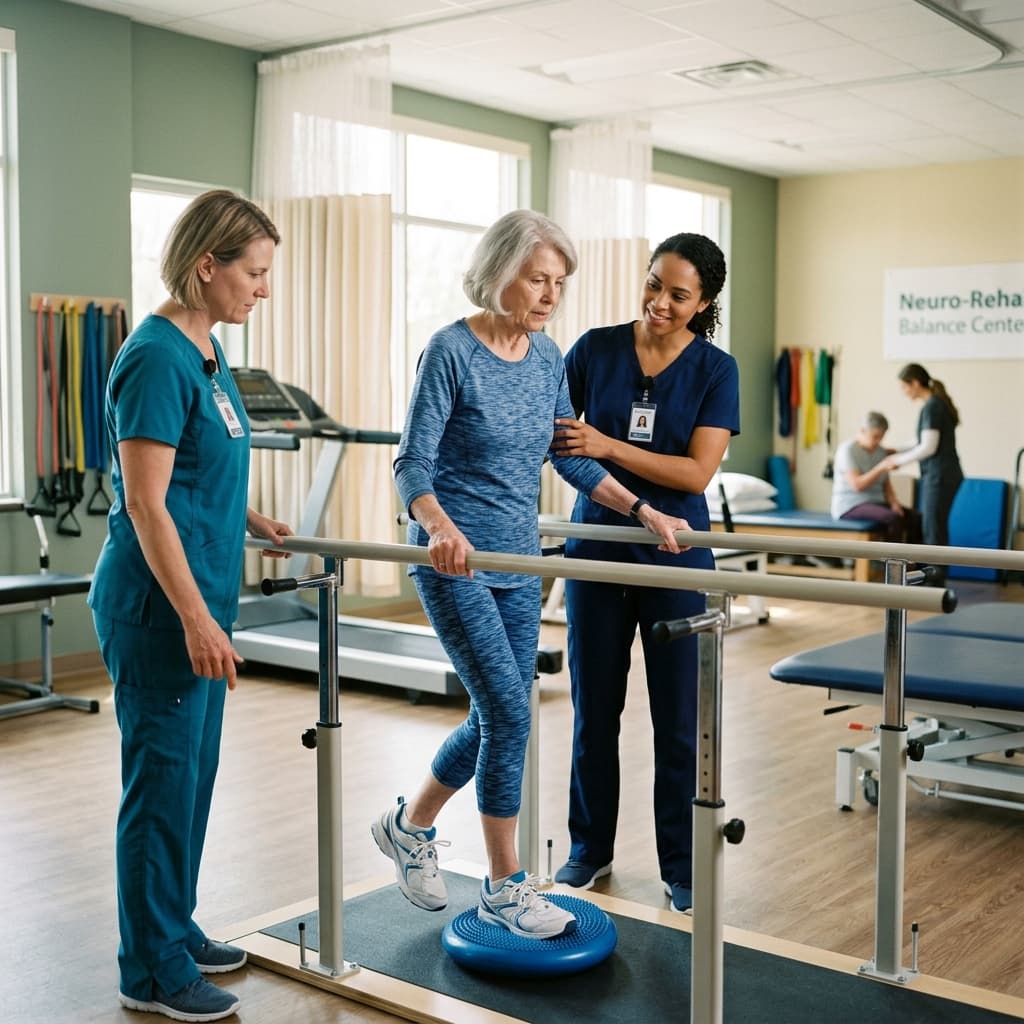
Re-training standing balance by teaching the patient to shift their body weight safely onto the weaker side.
Functional Gait Retraining
Breaking down walking into safe developmental steps: standing up, weight-bearing, leg swinging, and stepping.
Program Schedule
Key Benefits
- Regained motor control in paralyzed hands, arms, and legs
- Vastly improved standing stability and reduction in gait limping
- Prevention of painful joint contractures and muscle shortening
- Increased independence in feeding, dressing, and walking around home
Program Highlights
- Directed by certified neurological rehabilitation therapists
- Individualized high-frequency neuroplasticity exercises
- Safe weight-bearing harness and parallel bar training
- Interactive ADL (Activities of Daily Living) retraining setups